Microsoft
Copy for Microsoft homepage
And it all began with a typewriter.
At age seven, that’s what I begged my parents for when they asked what I wanted for Christmas. All I wanted was
that typewriter. Fueled by a passion for books, I wanted to start writing my own stories.
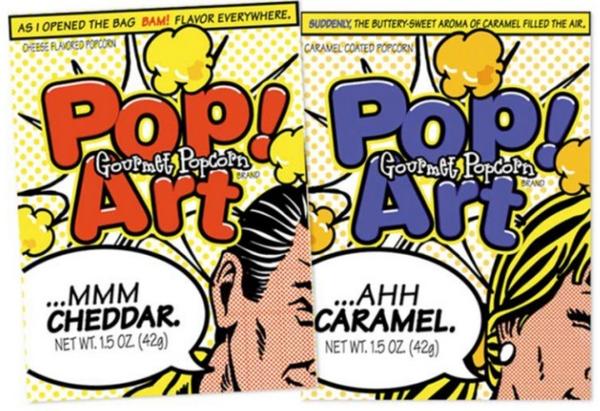
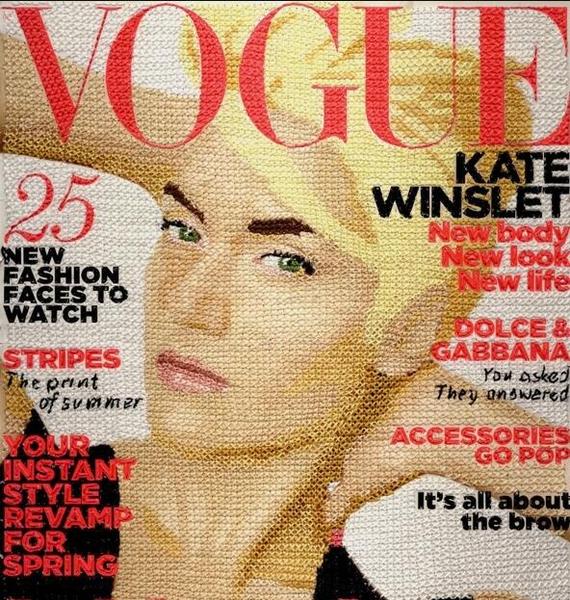
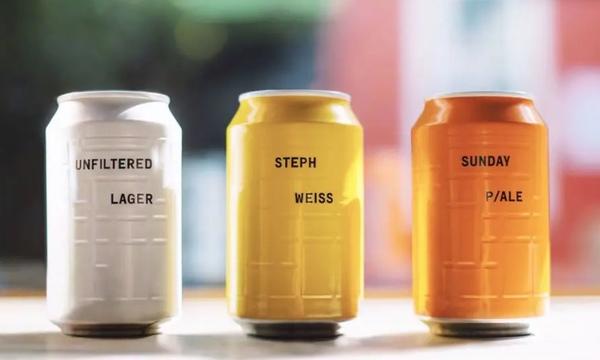
But books weren’t the only thing I read. If you put anything with words in front of me, I would read it: magazines, snack boxes, instruction manuals, the Sunday comics. And I wanted to write all of that. So my typewriter was used to create my very own movie blurbs. My own version of the fun, splashy copy seen on food packaging. Fake interviews. Made-up magazine articles. Even invented school tests. You name it. There were stories, yes, but I realized I loved writing everything.
Above all, I’m a storyteller. But I’m also
a creative content conceptualizer, strategist, and developer. With over
20 years in copywriting, copy editing, proofreading, and overall content strategy, I've worked with every size and type of company, from small
start-ups to global corporations.
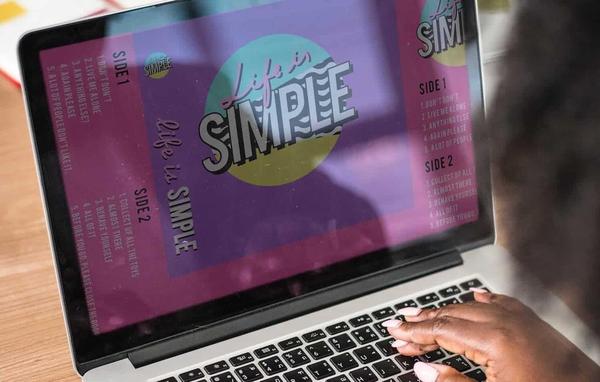
I write website content, ad copy, pitch decks, video scripts, campaigns, press releases, newsletters, ads, print materials, curriculum, bios, product features, and anything else you can think of. I can work with AI if you want, or I can toss it out the window. I’m excellent at brainstorming, wayfinding, name ideation, and character development.
I love using the power of words to surprise an audience — to shake them awake and hold their attention. That may sound nerdy, but you’d be surprised. I've seen rooms full of people come alive with the fire of words.
So many people take the gift of language for granted, but I personally believe that words are greatly underestimated, and that they can be used to do extraordinary things.
Let's see what I can do for you.
I spent 2025 up until now helping to develop Meta’s newly-released product, Muse.ai, and am currently part of the AI Evaluation Team there. I help progress safety, intent, voice, personality, shopping, functionality, performance, tool usage, creativity, writing skill, conversationality, user experience, and user trust.
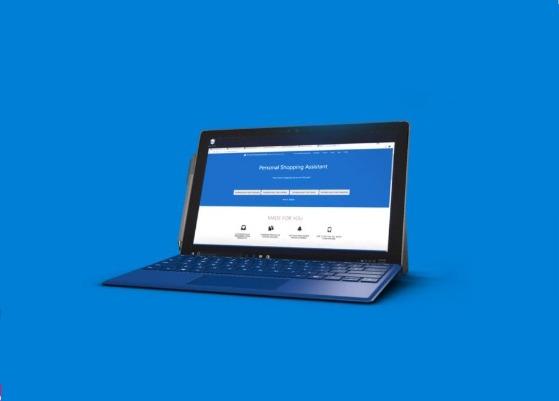
I also spent two years at Microsoft, where I helped assess and train Microsoft Copilot Store Assistant.
AI is everywhere, but good AI is still being developed. It needs a lot of fine-tuning, and that’s where I’ve been spending the last few years of my life. While it’s a controversial topic, I believe that AI has the potential to help everyone, and the power to help them achieve more.
This is a question I get a lot, and it's understandable. People are curious about what it is that I actually write.
It’s a big question. Copywriting isn’t just copywriting. It’s much more than putting words together that sound good. It even takes more than writing something impressive. Real copywriting involves psychology, strategy, technology, understanding, and adapting to constant change.
I’ve learned this over the course of my years as a copywriter. At the beginning of content-focused, legitimate SEO practices, I was there. I learned that SEO isn’t just keywords; it involves search intent, algorithms, and how people actually look for information.
My marketing experience also heavily comes into play with copywriting. It’s vital to keep up with marketing best practices that evolve every year — sometimes every month — and know when the rules matter and when they don’t.
Copywriting means adapting to anything and everything new. New platforms, new formats, new audiences, new expectations. What had been working perfectly yesterday might not work today, and what works today might disappear tomorrow.
Real copywriting also means navigating AI and everything it touches. Knowing when to use it, when not to, and how to make sure the message still sounds human in a world that’s becoming increasingly automated.
And at the center of it all is language. Knowing what words spark meaning within people, what phrases make them stop scrolling, and what ideas make them care, trust, and act.
My kind of copywriting is a constant study. It’s not simple, and it’s not always easy. It comes from being a reader at heart. It comes from my earliest memories. It comes from decades of marketing jobs and experiencing firsthand what stirs emotion within an audience. It comes from paying attention to how people think, what they feel, and why they respond.
Copywriting is interpretation, strategy, and adaptation, all happening at the same time. And yes, good writing, too.